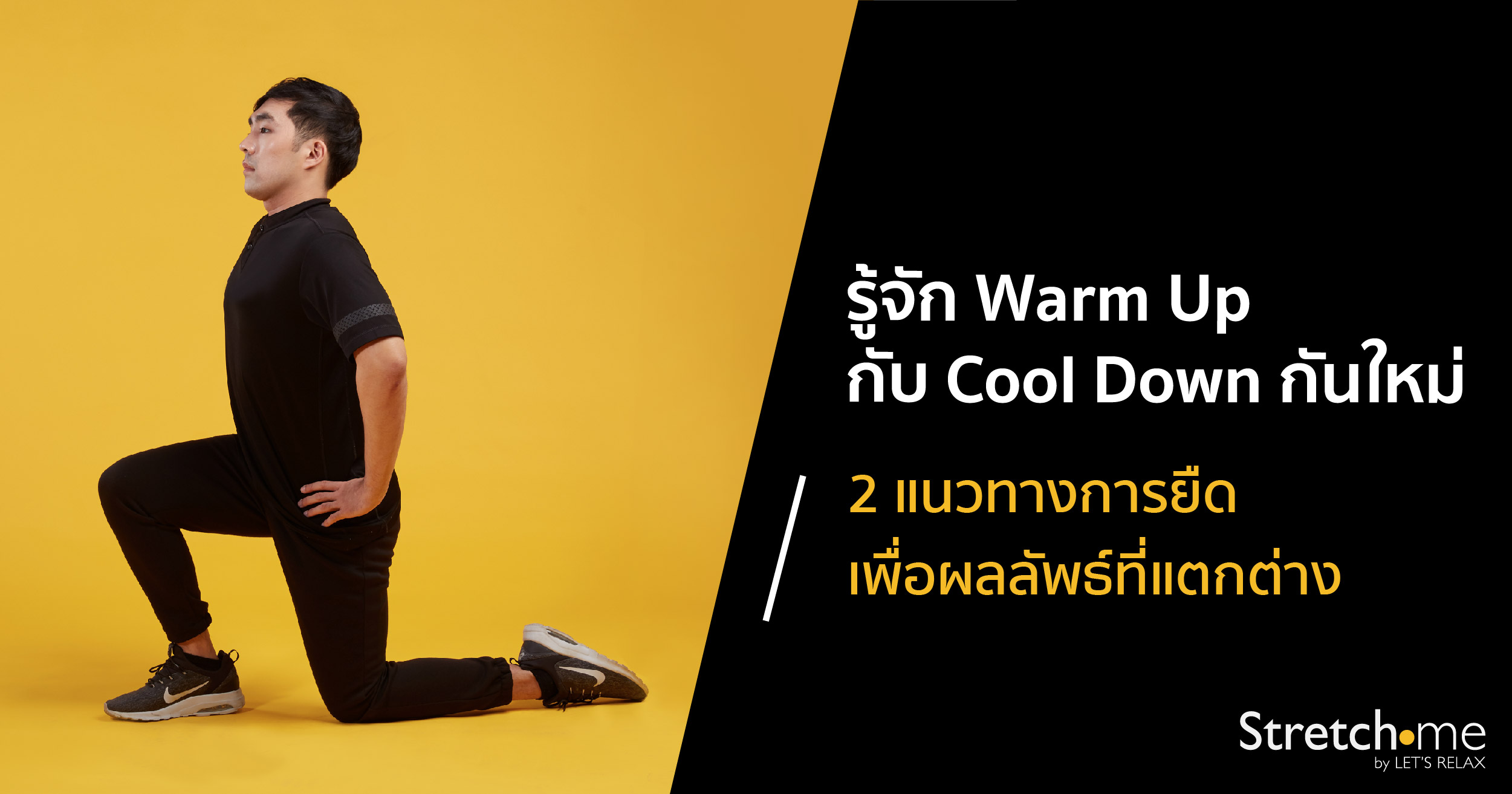
Warm Up and Cool Down?
Every time we exercise, we should always warm up beforehand and cool down afterward. These are essential steps that should never be overlooked in order to prevent injuries. Before exercising, the systems inside our body are still in a normal, calm state, and the muscles remain tight and stiff like hard clay.
Imagine trying to shape clay that hasn’t been kneaded or softened enough. No matter how you try, it will crumble and break apart in your hands. The same applies to our muscles: without proper preparation, they can become inflamed, injured, or in worse cases, even torn.
What many people do during warm-up and cool-down is use the same type of stretching. In reality, however, these two stages have completely different purposes and details. Before exercising, warm-up is used to prepare various parts of the body for movement muscles, joints, and tendons. It also serves as a signal to internal systems, especially the circulatory system and the heart, prompting blood vessels to dilate so oxygen can be delivered to the muscles during exercise.
After finishing exercise, on the other hand, what we need is to help the body relax, reduce heart rate, and lower body temperature. Cool-down therefore focuses on the opposite outcome, using stretching to reduce muscle tension and prevent post-exercise injuries, both immediately and in the long term.
Because the objectives are different, the stretching methods also differ and are based on two opposing principles: Dynamic Stretching and Static Stretching.
Stretching during warm-up emphasizes movement. This means the body must be in motion, rather than holding static stretches as many people mistakenly do. The goal is to perform repeated movements to activate the muscles, increase heart rate, and warm up the body. This type of stretching is called Dynamic Stretching, such as lifting the legs to touch the toes with your hands or jogging with alternating high steps. Generally, warm-up should last about 5–10 minutes before exercising, and for sports that require heavy muscle use, the warm-up should be even longer.
Stretching during cool-down, however, focuses on holding stretches in one position for a certain period of time to relieve muscle tension, increase flexibility, and reduce the risk of injury, while helping the muscles adapt and perform more efficiently after exercise. This type of stretching is called Static Stretching. The key to this method lies in controlling your breathing and holding the stretch until the muscle truly feels relaxed.
Knowing this, the next time you exercise, don’t forget to warm up correctly and cool down properly. This will help keep your muscles, joints, and tendons in optimal condition. And if possible, make time to consult a professional who can assist with proper techniques such as pressing, twisting, and mobilizing in the correct positions so your muscles stay strong and ready for long-term activity.