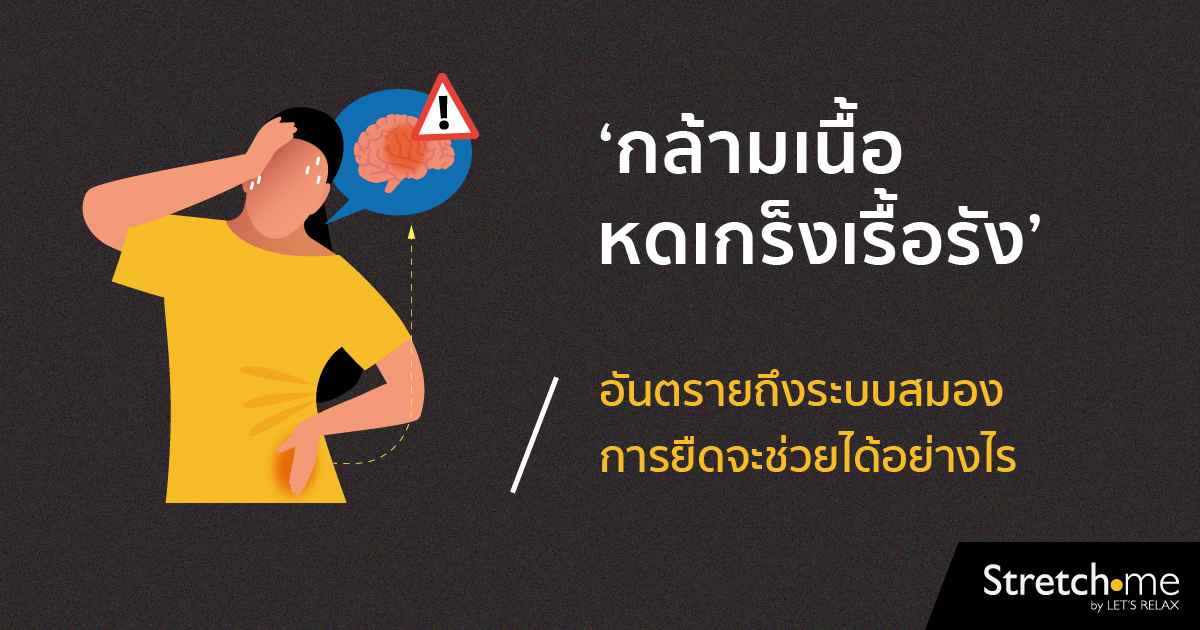
Chronic Muscle Tension
Have you ever been sitting at work when, out of nowhere, you start to feel tightness and aching in your neck or shoulders with no clear cause and it just doesn’t go away easily? This kind of symptom is known as muscle tension or Myofascial Pain Syndrome (MPS), which commonly occurs in the neck, shoulders, upper back, and back muscles.
The main causes of chronic muscle tension come from improper muscle use or maintaining the same posture repeatedly for long periods of time, such as sitting and working continuously for hours, looking down at your phone, carrying an overly heavy backpack, or habitually hunching your shoulders. These postures cause muscle fibers to contract, restrict blood circulation, and reduce the supply of oxygen and nutrients to the muscles. As a result, muscle cells lack energy, waste products accumulate, and pain and soreness develop.
If left untreated or if behaviors are not adjusted, the affected muscles can become chronically inflamed, inevitably interfering with daily life and work. Worse still, this condition can negatively affect the nervous system and the brain. Inflamed muscles especially in the neck, shoulders, and upper back often lead to headaches and may even trigger migraines.
How Can Chronic Muscle Tension Be Treated?
When muscle tension causes pain and soreness, many people turn to massage, which may help in mild cases. However, for those who have ignored symptoms for a long time, therapeutic stretching exercises are often necessary.
Stretching is not only beneficial before exercise. Regular stretching helps increase flexibility, release muscle tightness, and restore muscles to their optimal condition by lengthening and mobilizing affected muscle fibers. It aids in recovery, enhances muscle resilience for daily activities, and even supports metabolism. Stretching addresses muscle imbalance and dysfunction more directly and effectively than general massage.
In addition to correcting muscle abnormalities, stretching performed by physical therapy professionals such as those at Stretch Me also helps the body relax from pressure and stress. Stress itself is a major contributor to muscle tension; the more stressed you are, the more likely your muscles are to tense up subconsciously. Therefore, regularly observing and adjusting your own habits is one of the most effective long-term strategies for preventing chronic muscle tension.
Consult Stretch Me about your muscle concerns via LINE: @stretchme