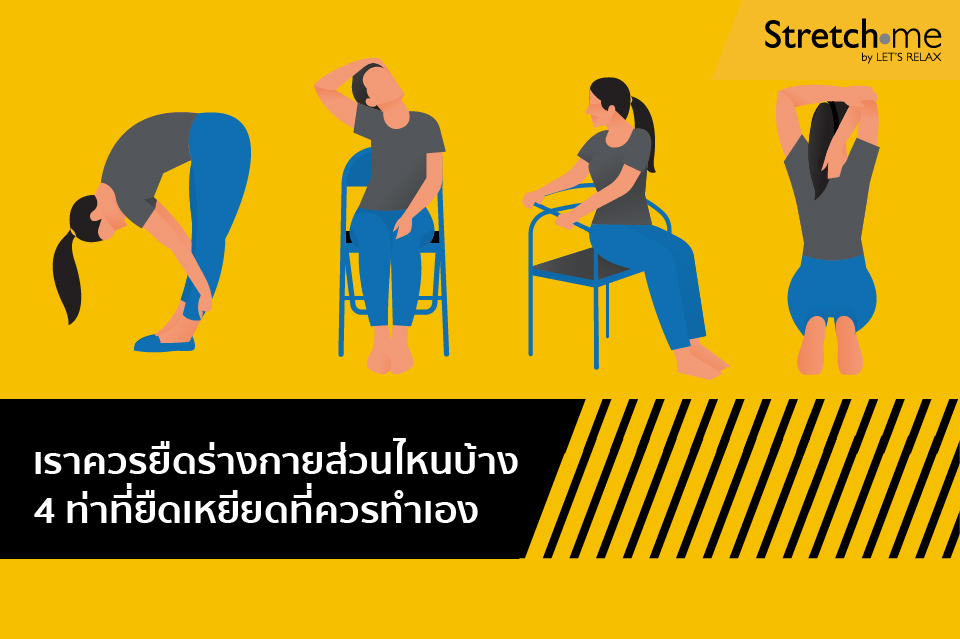
How much do you think we move our bodies in a single day?
Each day, we probably move our bodies countless times from waking up, doing our morning routines, driving, to sitting in the office all day. Some people may even set aside time for exercise, which is certainly a good thing.
However, every movement requires the use of both small and large muscle groups. These muscles contract constantly, often without us realizing it. Therefore, our bodies need various types of stretching. Let’s take a look at four stretching exercises you can easily do during the day to help you work or exercise more effectively.
1. Standing Hamstring Stretch
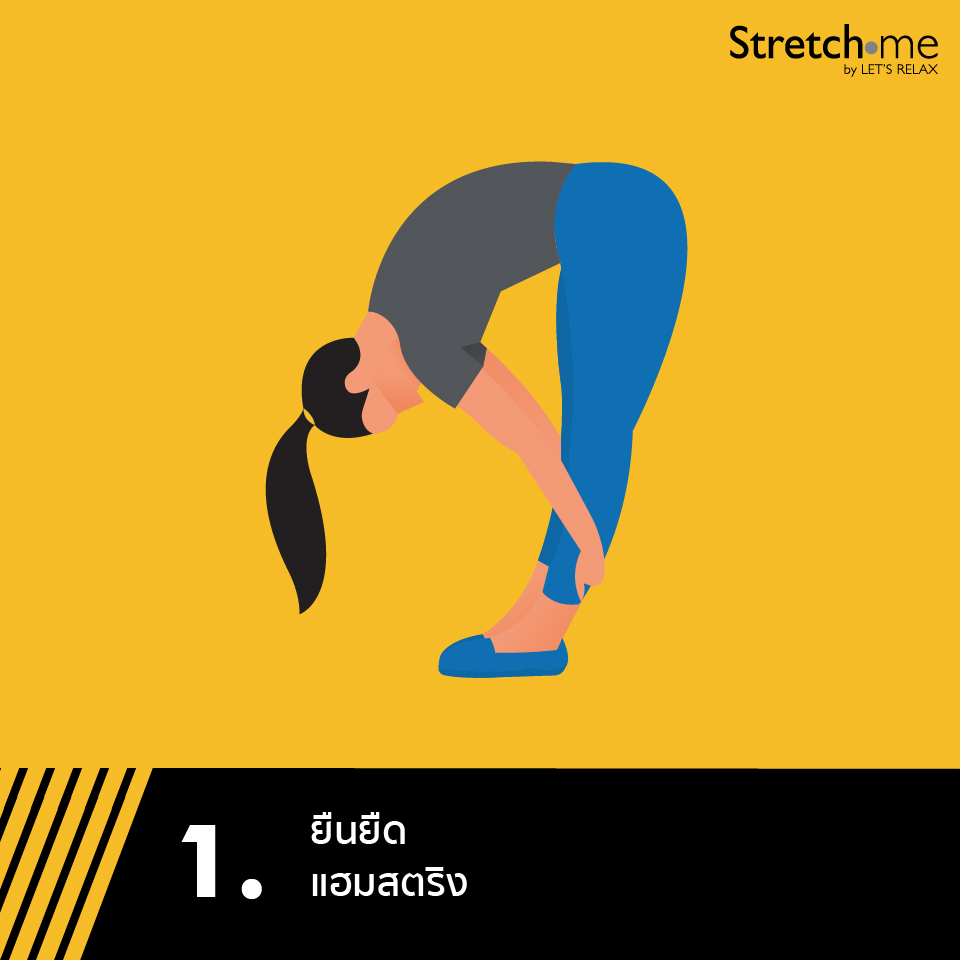
Without realizing it, the muscles at the back of the thighs, or hamstrings, are used regularly whether we are sitting, standing, walking, or running. We often hear about athletes injuring this muscle group, but in fact, people who sit for long periods are also at significant risk. Prolonged sitting causes these muscles to remain contracted without movement for extended periods.
- Stand upright with your feet slightly apart and let your arms rest naturally by your sides.
- Exhale as you slowly bend your upper body forward, relaxing your neck and shoulders, and try not to bend at the hips.
- Reach your hands toward the back of your legs to hold your calves, and hold the position for about 45 seconds. Then slightly bend your knees and return to a standing position.
2. Neck Stretch
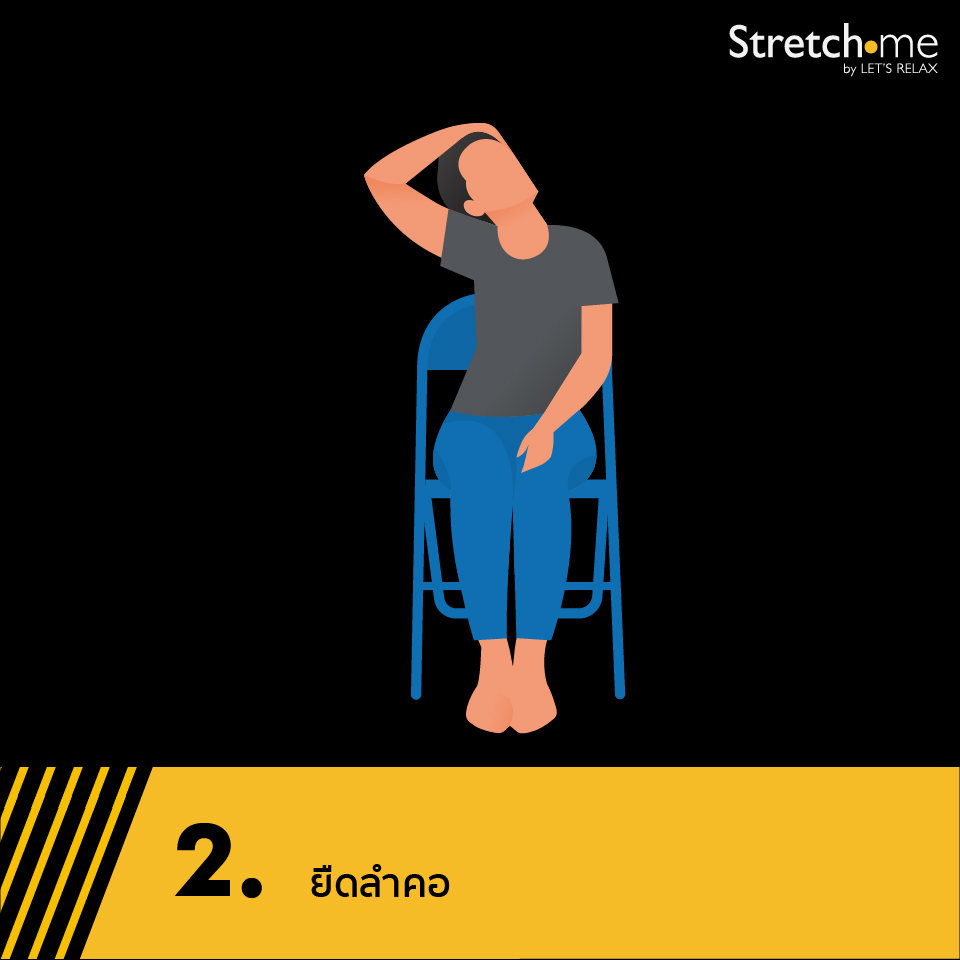
The neck supports the full weight of the head, which on average weighs about 5 kilograms. Sitting in front of a computer for long periods causes the muscles in this area to tighten, leading to pain, soreness, or stiffness.
Side Neck Stretch
- Sit or stand upright and slightly lower your head.
- Extend your right hand to hold the left side of your head near the temple and gently pull toward the opposite direction until you feel a stretch in the side of your neck. Hold for about 30 seconds.
- Switch sides and repeat.
Back Neck Stretch
- Sit or stand upright, lower your head so that your chin is as close to your chest as possible, then tilt your head slightly to the left.
- Use your right hand to hold the left side of your head near the temple and gently pull in the opposite direction until you feel a stretch at the back of your neck. Hold for about 30 seconds.
- Switch sides and repeat.
3. Lower Back Stretch
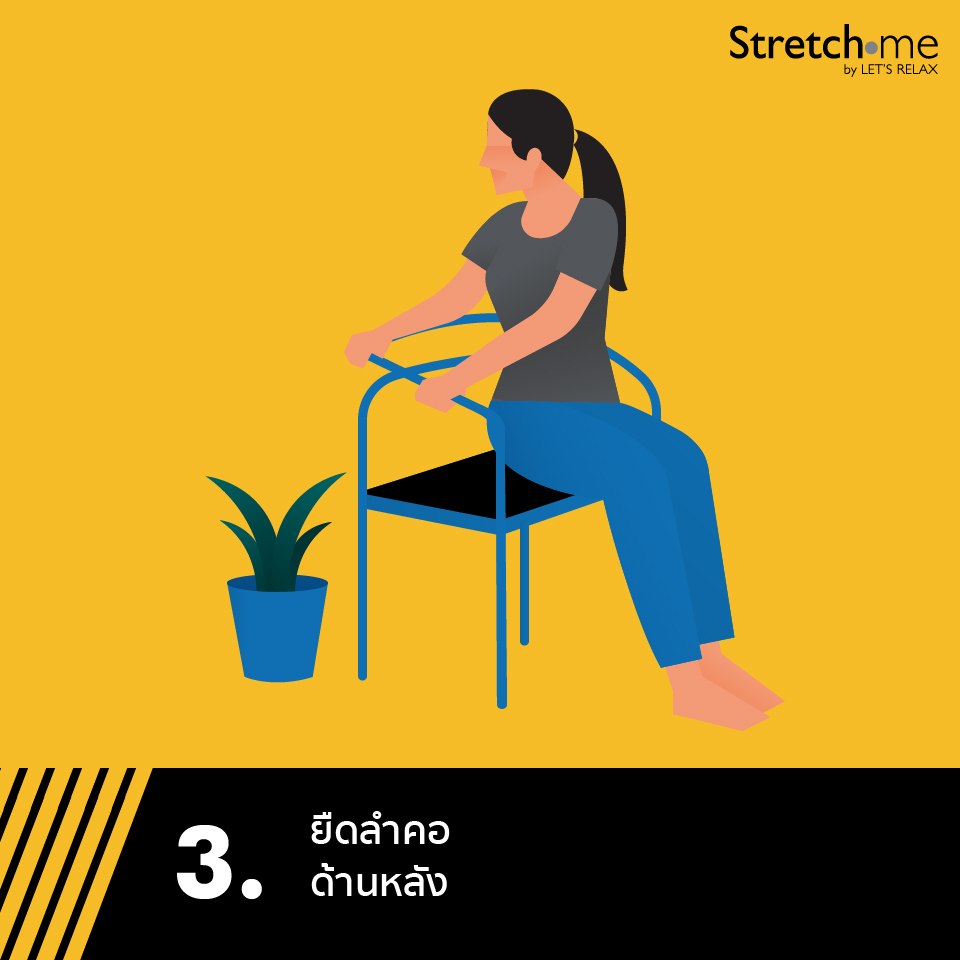
Even young people can experience back pain. The main causes come from daily postures—sitting, sleeping, working, or even watching series all of which place strain on the back muscles. Stretching them daily can help prevent pain and stiffness that make movement difficult.
- Sit on the edge of a chair with your feet flat on the floor.
- Rotate your upper body to the left, using the chair for support to deepen the stretch.
- Repeat on the opposite side.
4. Triceps (Back of the Arm) Stretch
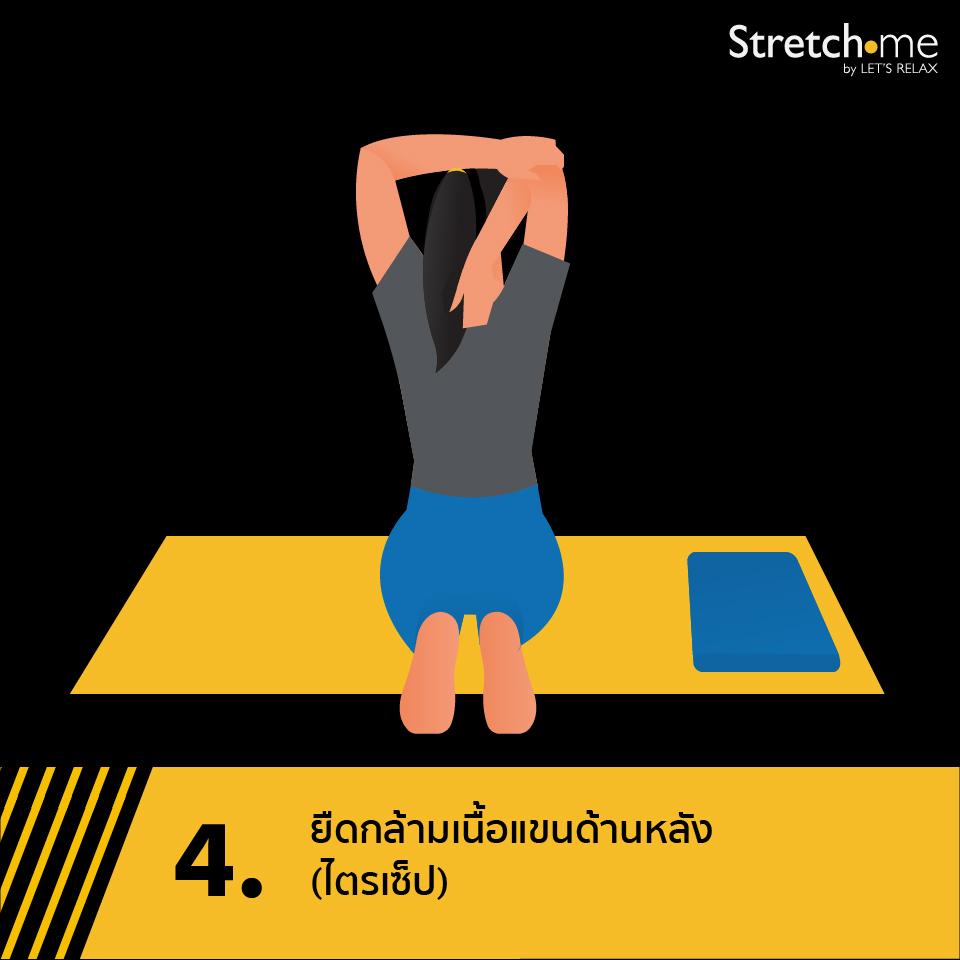
If you picture yourself sitting at your desk, you will notice that your arms are used just as much as other body parts lifting objects, writing, or typing. Constant use can lead to soreness, numbness, or tingling in the hands and arms, especially if the muscles are never relaxed. The triceps, the muscles at the back of the arms, are often overlooked despite being heavily used.
- Stand or kneel with your legs slightly apart and raise both arms overhead.
- Bend your right elbow and reach your hand down to touch your upper back.
- Use your left hand to gently pull your right elbow toward your head and hold for about 20 seconds.
- Switch arms and repeat the steps in the opposite direction.